Architecting a Brand Ecosystem


Strategic Design Execution
Unified Product Architecture
To represent our expanding suite of technical solutions, I developed a modular sub-brand logo system rooted in a clear visual hierarchy.
This logic allowed individual products to maintain their own unique identities while remaining firmly tethered to the parent brand, creating a flexible framework that accommodates new launches instantly. By treating the portfolio as a unified ecosystem rather than a random collection of tools, the design ensures long-term scalability and brand cohesion.
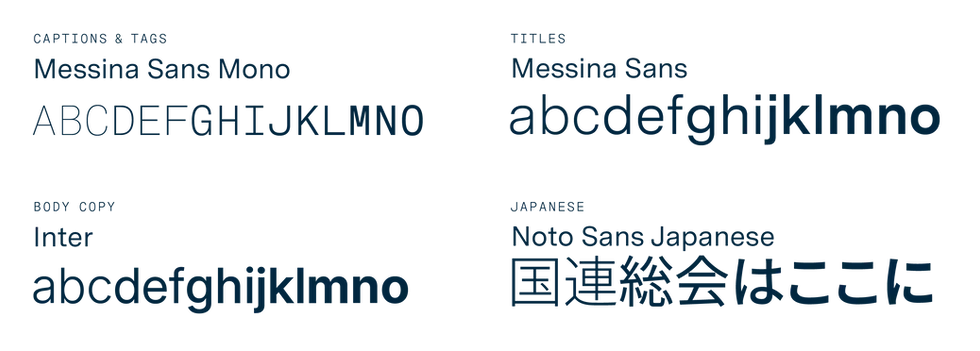
Typography for Global Scale
In-product consistency was a massive pain point, particularly when it came to localization. To fix this, we rolled out a typography system specifically for its readability and character support across multiple languages. This ensured a seamless transition for the user, regardless of their native tongue.
The Paperless Palette
To reflect Tulip’s mission of replacing analog, paper-based processes with cutting-edge technology, I designed a visual identity that serves as a direct metaphor for digital transformation.
By retaining a signature cream background as a subtle nod to the traditional paper we are phasing out, I was able to layer a high-contrast, vibrant color palette on top to represent a new digital layer of efficiency. This strategic use of tech-forward colors creates a sophisticated visual bridge between the legacy shop floor and the modern, automated way of working that our platform facilitates.
Real-World Application
We synchronized everything, from the smallest button radius to the specific weights of our icons. Making strategic moves to ensure Tulip presented as a cohesive, enterprise-grade brand.

When I joined Tulip Interfaces, the brand was drowning in identity debt. Multiple external agencies had been creating siloed assets for years with no centralized source of truth.
The result was a disjointed visual presence that couldn't keep up with a high-growth SaaS product. Lacking a core creative authority to bridge the gap between marketing’s big ideas and the actual technical reality of the product.
The Challenge
A Fragmented Identity


Founding an internal Creative Team, I moved us away from an agency-dependent model and toward a self-sufficient, design-led culture. My mission was to build a Global Brand System that functioned as a comprehensive operational framework, not just a static style guide.
The Strategy
Building an In-House Powerhouse
We synchronized everything, from the smallest button radius to the specific weights of our icons. Making strategic moves to ensure Tulip presented as a cohesive, enterprise-grade brand.
Real-World Application
